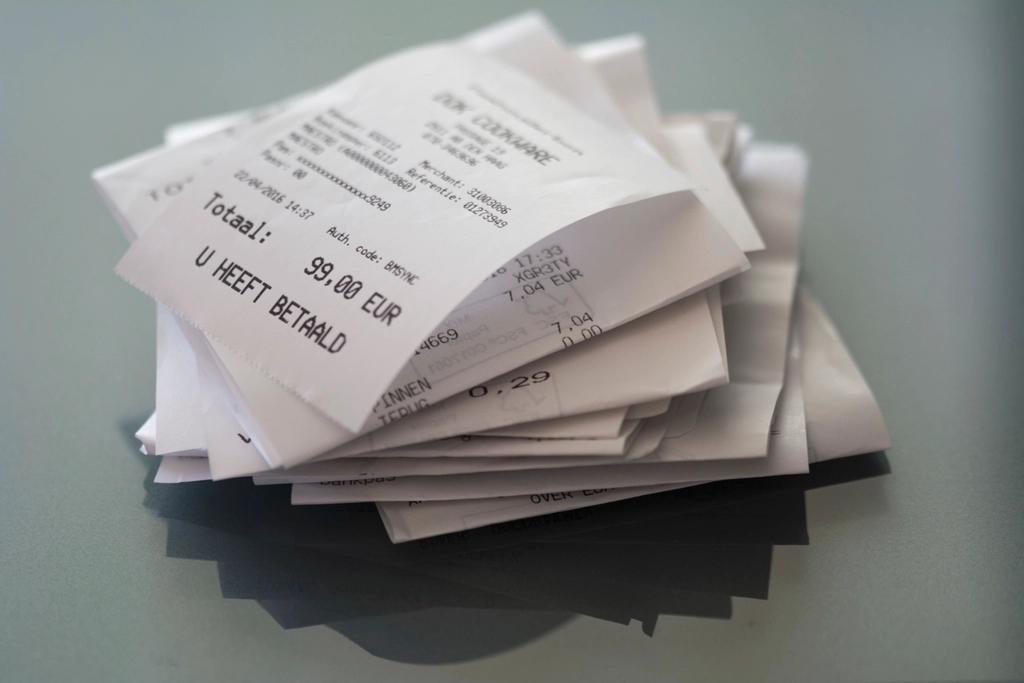
Some apps don’t ask your opinion at all. They pay a little for your receipts, your purchases or what you do online. The money is easy; the trade deserves a closer look.
What matters most
- Receipt-scanning and shopping-panel apps pay small rewards for purchase data that companies use to study buying habits.
- Apps that monitor your browsing or app use can see far more, so read exactly what they collect and who receives it.
- Be cautious with apps that want to install a VPN profile or certificate, read your whole email inbox or use accessibility permissions to see other apps.
- The FTC has acted against a company that sold people’s browsing data while promising to protect their privacy.
A survey asks what you think you’d buy. Purchase and browsing data shows what you actually did, which is why companies will pay for it, and why some apps will pay you to collect it.
Three kinds of data apps
| Type | What you share | How rewards usually work |
|---|---|---|
| Receipt scanning | Photos of receipts, sometimes email receipts | Points per receipt or per brand bought |
| Shopping or TV panels | Purchases scanned at home, or viewing measured by a device or app | Regular points or a monthly reward |
| Browsing and app-use panels | Websites you visit and apps you use, often collected through a VPN-style connection | A monthly reward while the app stays installed |
The further down the table, the more an app learns about you.
The permissions worth questioning
- A VPN profile. Routing your traffic through the company’s servers lets it see which sites and services you use, including banks and health sites.
- A custom certificate or device-management profile. These can give an app much deeper visibility into your connections. Most people should say no.
- Full email inbox access. Granted to find receipts, it also exposes everything else in your inbox.
- Accessibility permissions on Android. Meant to help people with disabilities, they can let an app read what’s on your screen in other apps.
- Location set to “always.” Rarely needed for a receipt.
Watch out
If an app wants to route all your internet traffic through its servers or install its own certificate, decide whether a few dollars a month is worth that view into your life, including your banking and health activity.
When data sales go wrong
In 2024, the FTC finalized an order against antivirus company Avast. The agency said Avast sold people’s browsing information through a subsidiary while marketing products that promised to protect privacy. The order required a $16.5 million payment and restricted the sale of browsing data for advertising. The lesson for anyone weighing a data app: read what the company says it does with your information, and watch for apps that say very little.
Questions to ask before installing
- Who runs the app, and is it an established research company?
- What exactly does it collect, and for how long is it kept?
- Is the data sold or shared, and with whom?
- How do I see and delete my data?
- What stops when I uninstall, and what doesn’t?
For the broader privacy picture, see what survey sites do with your data. Rewards from these apps work much like survey points; our guide to cashing out applies here too.
Survey takers ask
Are receipt apps safe?
Many are run by established marketing or research companies. Check what they collect beyond the receipt itself, such as inbox access or location, and turn off anything you don’t need.
Can I install these apps on a work phone or computer?
Don’t. Monitoring apps can capture information that belongs to your employer, clients or coworkers, and your employer’s policies almost certainly forbid it.
How do I remove an app’s access?
Uninstall the app, remove any VPN or device-management profile it added, revoke linked email permissions in your account settings, and ask the company to delete your data.
Panel rules, rewards and tax thresholds change. Check the current terms of any program before you join, and see IRS guidance or a tax professional about your own situation. This guide is general information, not financial or tax advice.